Noel Bear
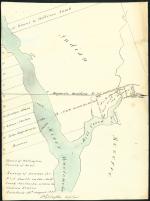
Born about 1796 in Peskotomuhkati (Passamaquoddy) territory, near the Mattawamkeag River in the District of Maine, Bear was of mixed French and Maliseet ancestry, descended from a man known both as Chief Pierre de Saint-Aubin and Chief Peter Bear. The Aubin/Bear family was prominent among the Maliseet people who fought against the British during the American Revolutionary War (1775-1783). For this reason, they hoped for the continued right to hunt and fish in their traditional lands when those lands became United States territory after the signing of the Jay Treaty in 1794. Bear’s mother belonged to the Abenaki, a people whose territory straddled the new border. Because Bear’s father was Maliseet, Maine officials deemed the family to be residents of British North America (Canada), and Noel’s parents eventually returned to New Brunswick. When the New Brunswick government set land aside for the Maliseet at Tobique in 1801, they moved there, with Noel’s mother carrying the five-year-old boy most of the way from the Miramichi.
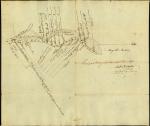
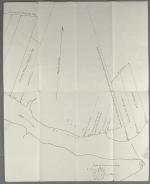
The men of Noel’s family continued to hunt over a wide territory. In 1811, Noel is known to have been hunting with an uncle in the District of Maine. In 1838-39, he was employed by the soldiers at Fort Fairfield, Maine, to supply them with moose meat. In the 1850s, the Maine government decided to allow Aboriginal hunting rights only to the Penobscot and Peskotomukati. Noel began to be seen more often in New Brunswick at that time. He frequently signed petitions requesting that the Maliseet be allowed to retain the lands originally granted them.
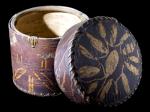
In the 1870s and 1880s, New Brunswick began to enforce stricter hunting laws, devastating the lifestyle of the Maliseet. Noel Bear, still a hunter in his tenth decade of life, returned to Maine where he earned a living as a basket-maker. Non-Aboriginal people reported him to be “grouchy” and “ugly with whites.”
Noel Bear stated that “he only wished to die quietly where he was and live where his fathers did and as they did.” Having survived over a century of drastic political change, he died in the woods, alone, on 4 September 1907, and was buried at Tobique.