John Julian
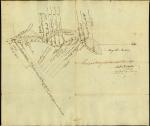
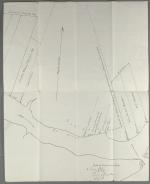
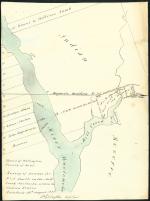
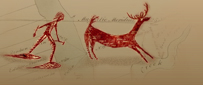
By 1779, John Julian was chief of the Mi’kmaq living at the mouth of the Miramichi River. The influx of Loyalist settlers at the end of the American Revolutionary War (1775-1783) threatened Aboriginal occupation of their lands. Traveling to Halifax, Julian requested of Nova Scotia’s Governor John Parr a land grant along the Miramichi River for his people. On 30 August 1783, Parr granted Julian and the Mi’kmaq 20,000 acres along the Northwest Miramichi River, but the grant was soon called into question. Because the agreement had been struck with the Nova Scotia government, the 1784 incorporation of the colony of New Brunswick rendered it void and the new colonial government gave preference to the land claims of two European squatters who claimed the same land granted Chief Julian the year before. Julian petitioned the government in 1786 asking officials to “put a stop to Such Elegal proceeding by Confirming it to us, as it has been ours, Since our fore Fathers came to this River.” It took three years before the government heard Julian’s plea and issued a license of occupation to him and his band for 3,033 acres of land within the parish of Newcastle.
This did not end the matter. Between 1801 and 1804, the Julian family became embroiled in a land dispute with Duffie Gillis, a squatter, who Julian alleged settled illegally on Mi’kmaw land on the Northwest Miramichi River. According to Julian, Gillis not only occupied a site that was an ancient Mi’kmaw burial ground, but he had also erected a weir that deprived the Mi’kmaq who lived upstream of fish. Gillis responded to Julian’s charges by forwarding his land certificate to Fredericton officials who then ordered local magistrates to investigate. On 5 March 1804, Gabriel Ludlow issued an updated license of occupation that dispossessed Gillis’ family and returned “several lots and Tracts of land on the Northwest Branch of the Miramichi River” to John Julian and other Mi’kmaw chiefs. When John Julian died in 1806 he had governed his people for at least twenty-seven years. During that time, his struggles with the colonial government to keep his people living on their land had proved successful.